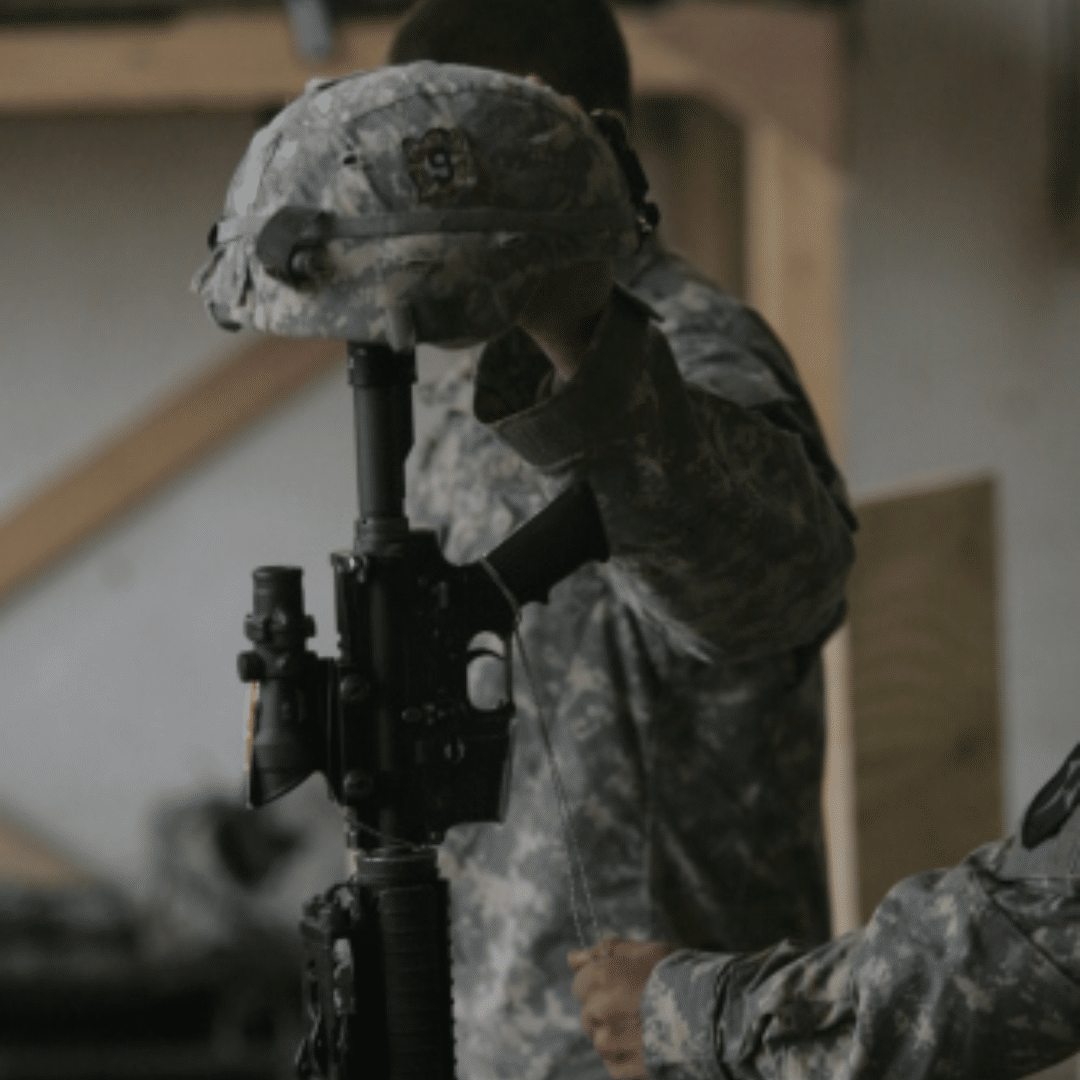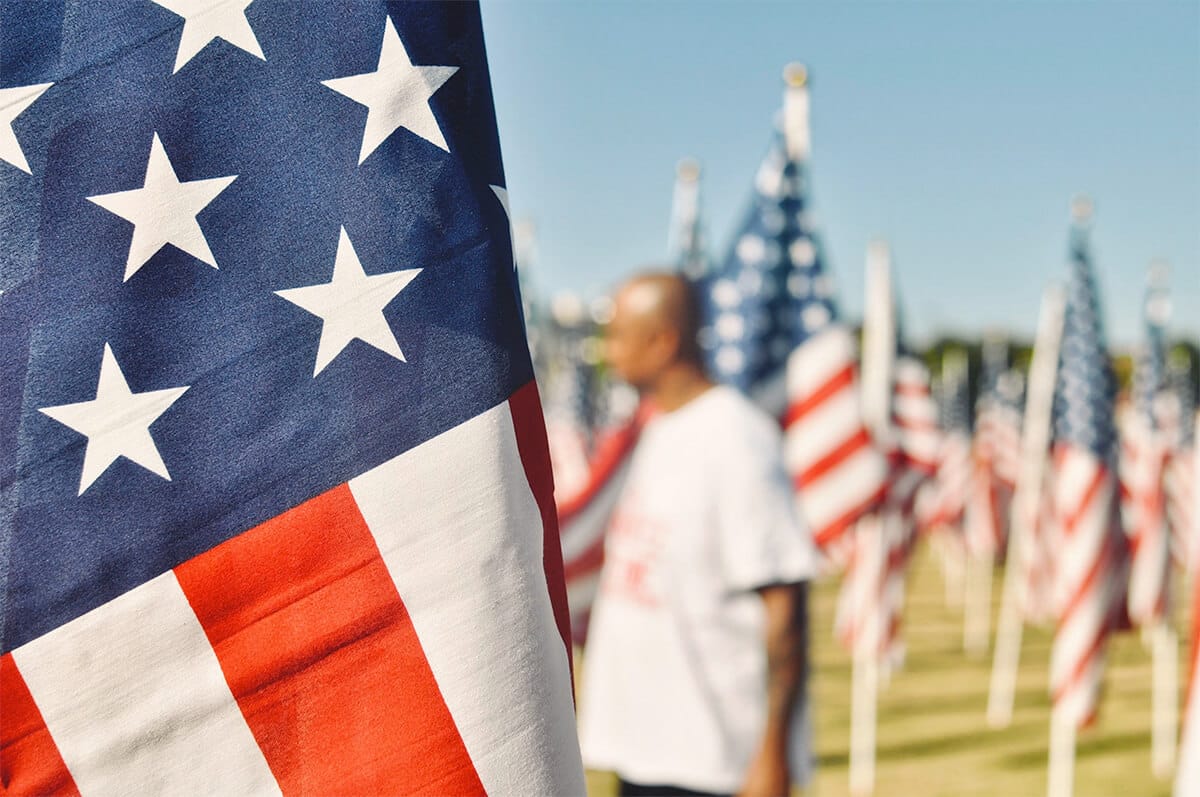
POW/MIA Recognition Day, September 18, 2026, honors service members who...
READ MOREPinned · Research Updates
The VA's 2026 Suicide Report Shows Where Veterans Are Being Lost
6,488 veterans died by suicide in 2024. Among veterans outside VA care, the rate rose 70.8% since 2001. Here is what that means for veteran PTSD recovery.
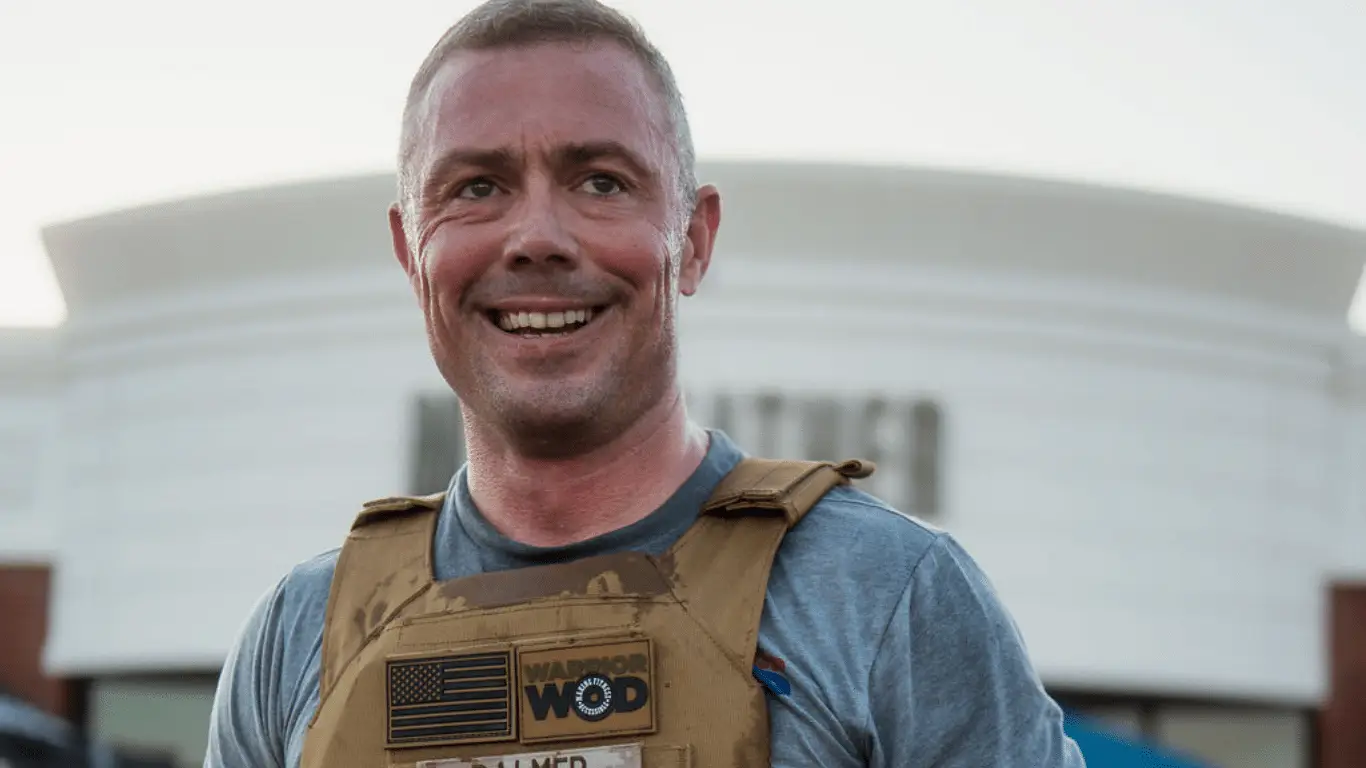
Phil Palmer, Founder, WarriorWOD FoundationMarine combat veteran · October 12, 2026 · 4 min read
What the report found
On September 30, 2026, the Department of Veterans Affairs released its National Veteran Suicide Prevention Annual Report, covering 2001 through 2024. The headline figure is 6,488 veterans lost to suicide in 2024. That is almost 18 a day.
The split matters more than the total. Among veterans enrolled in VA health care, the suicide rate fell 2.2% between 2001 and 2024. Among veterans who were not enrolled, it rose 70.8%. The prior year's report found that about 61% of veterans who died by suicide in 2023 had not received VA health care in the last year of their lives.
Why this is a veteran PTSD story
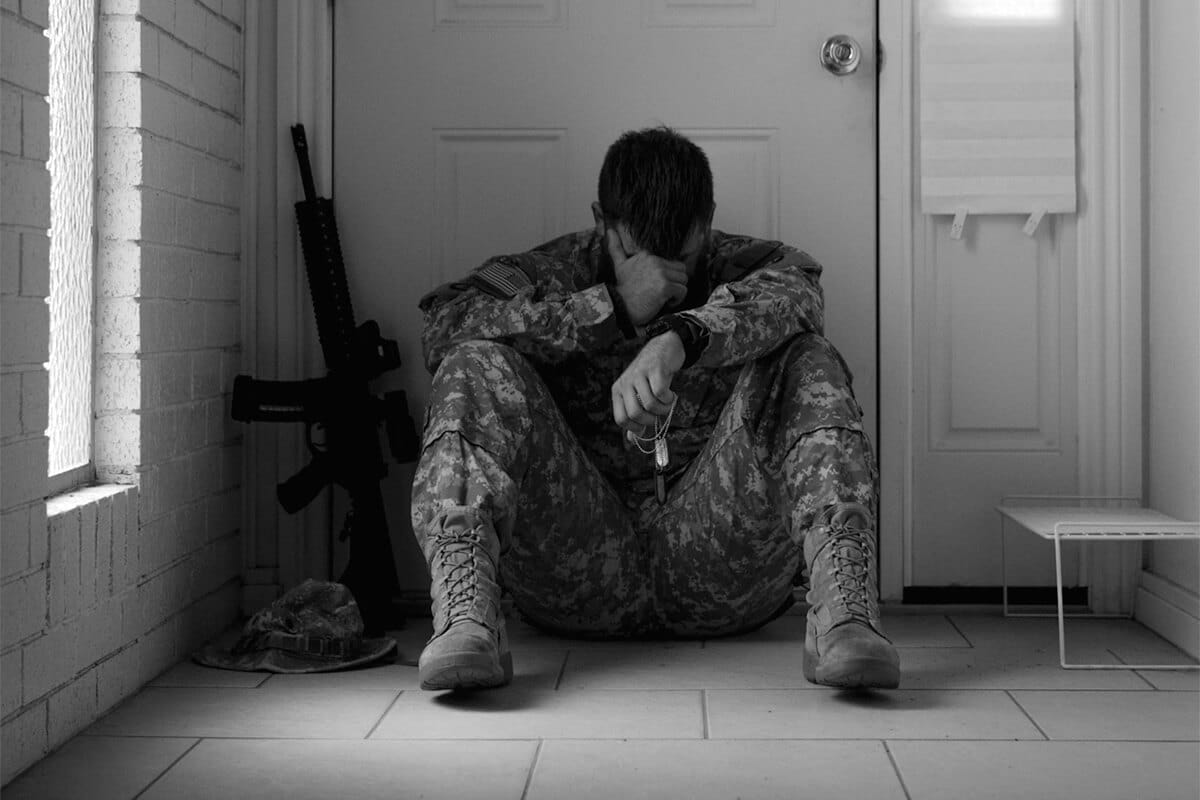
Most of the veterans in that number were not sitting in a VA clinic the year before they died. Many never will be. Veterans don't distrust treatment. They distrust people who weren't there.
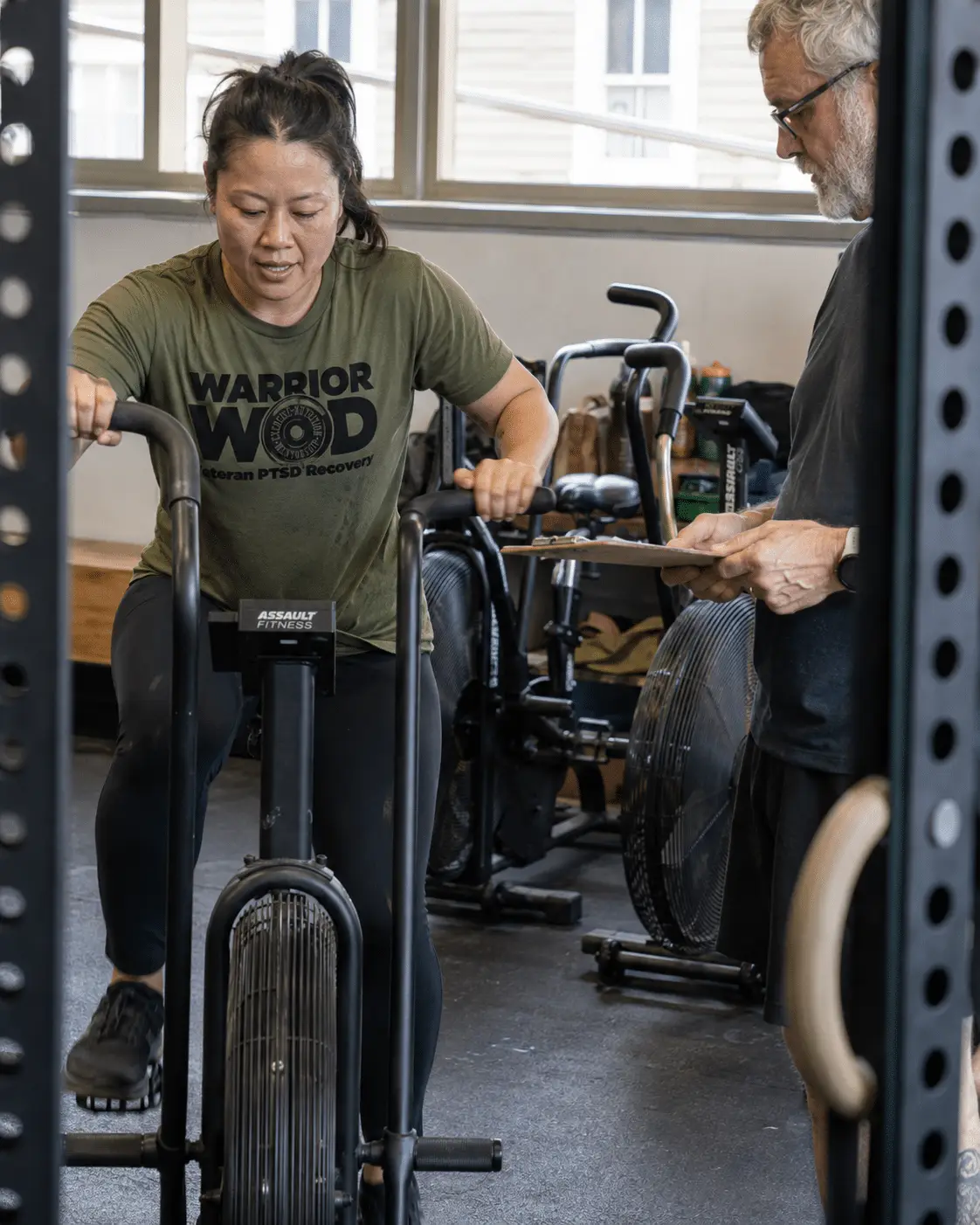
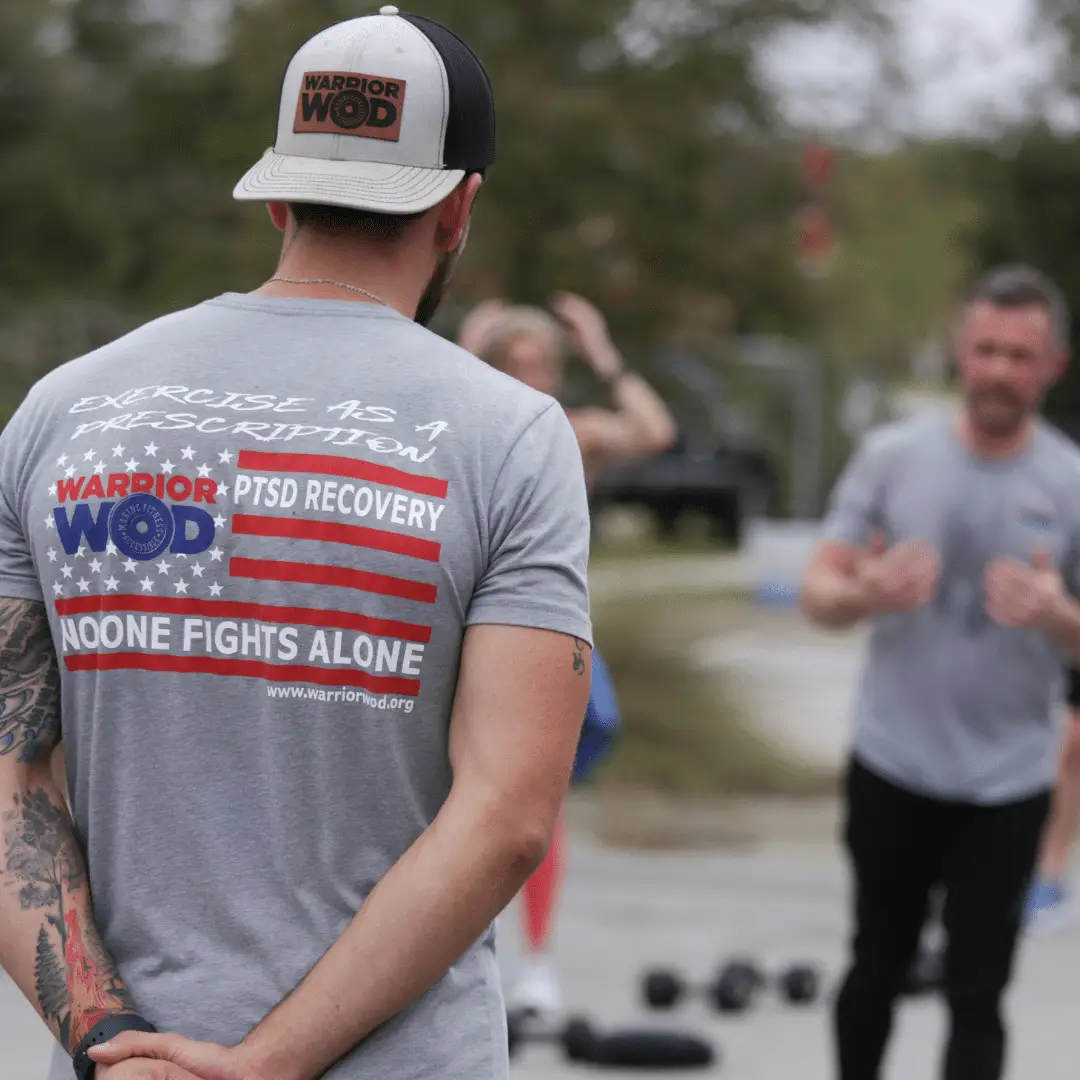
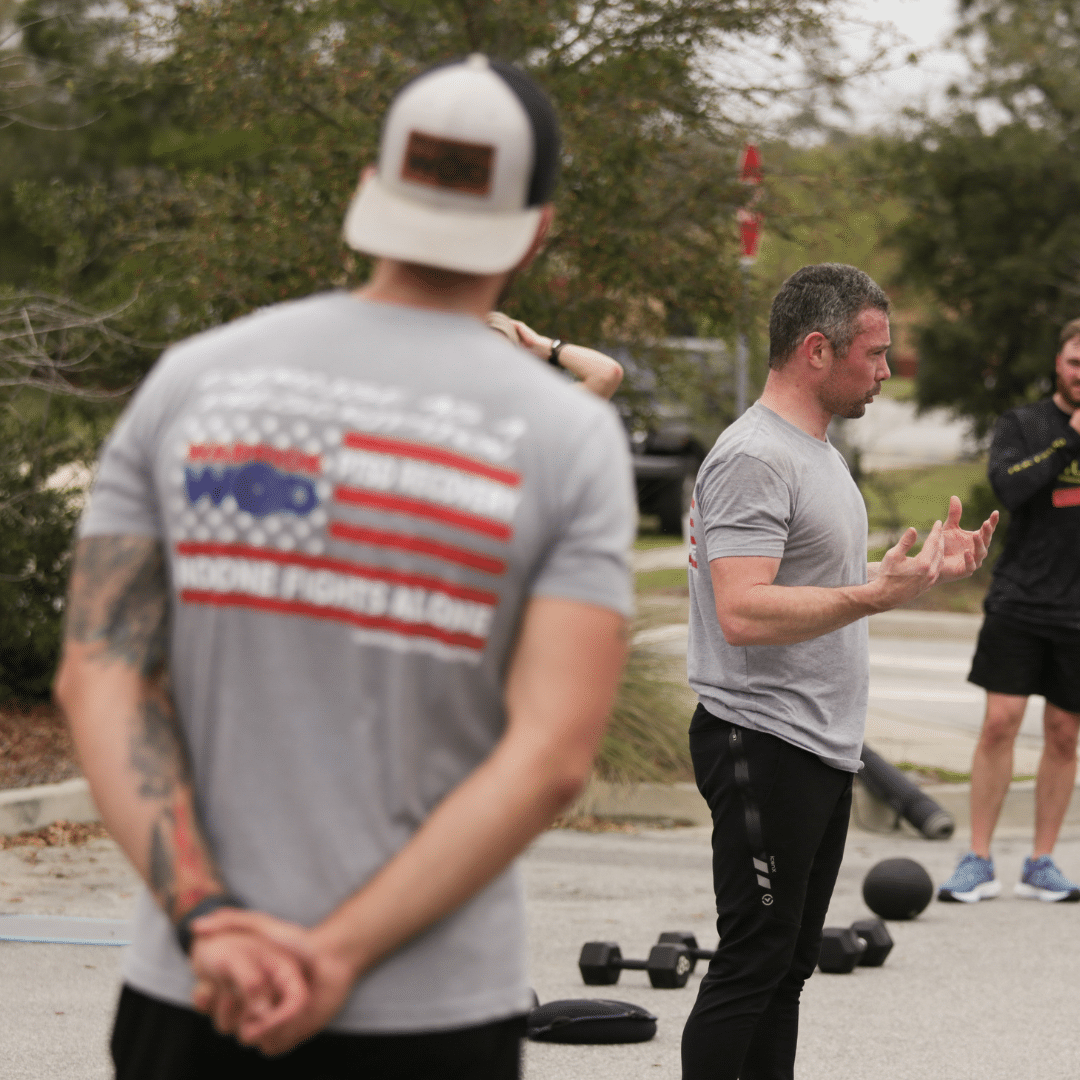
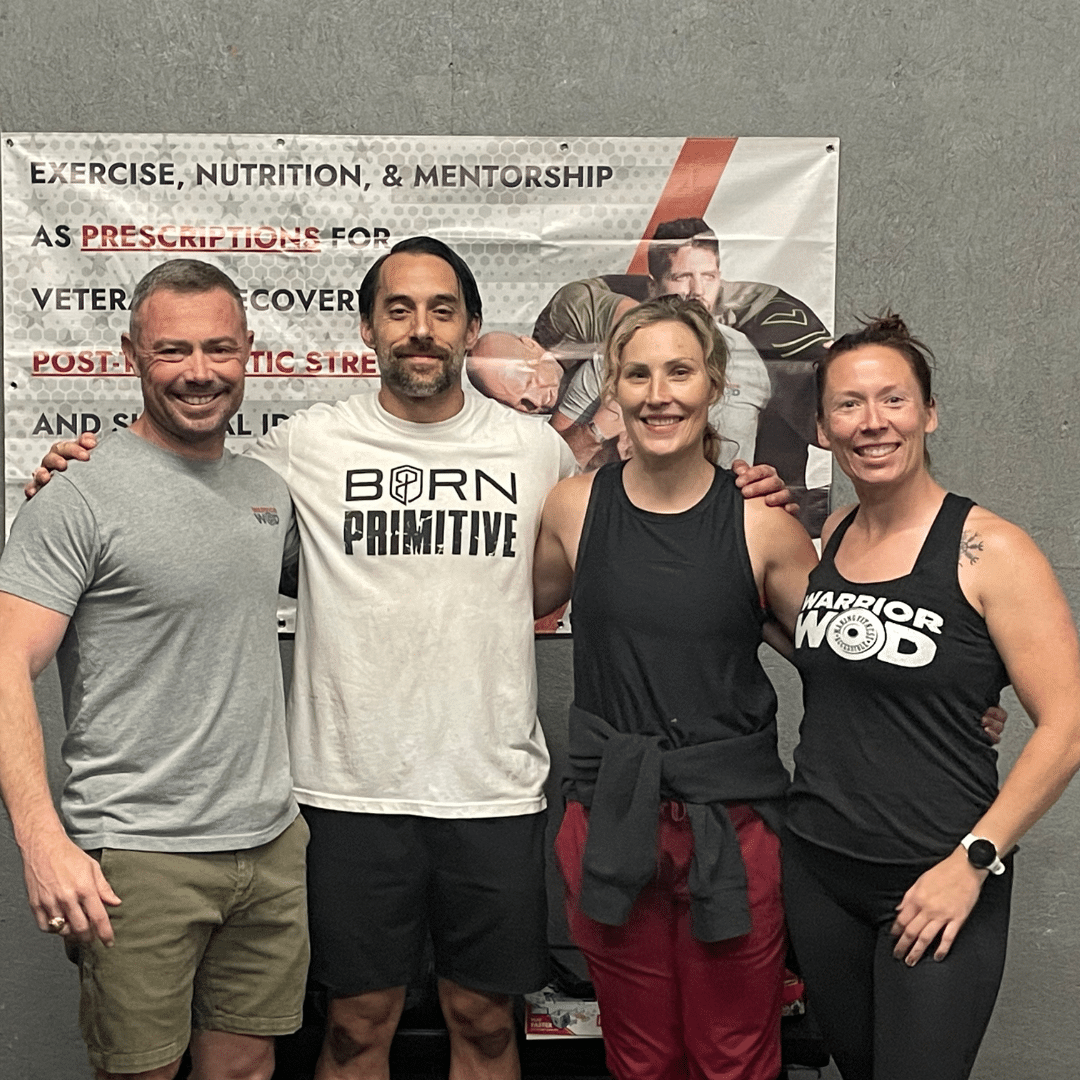
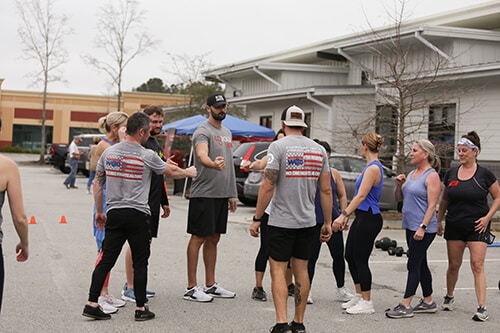
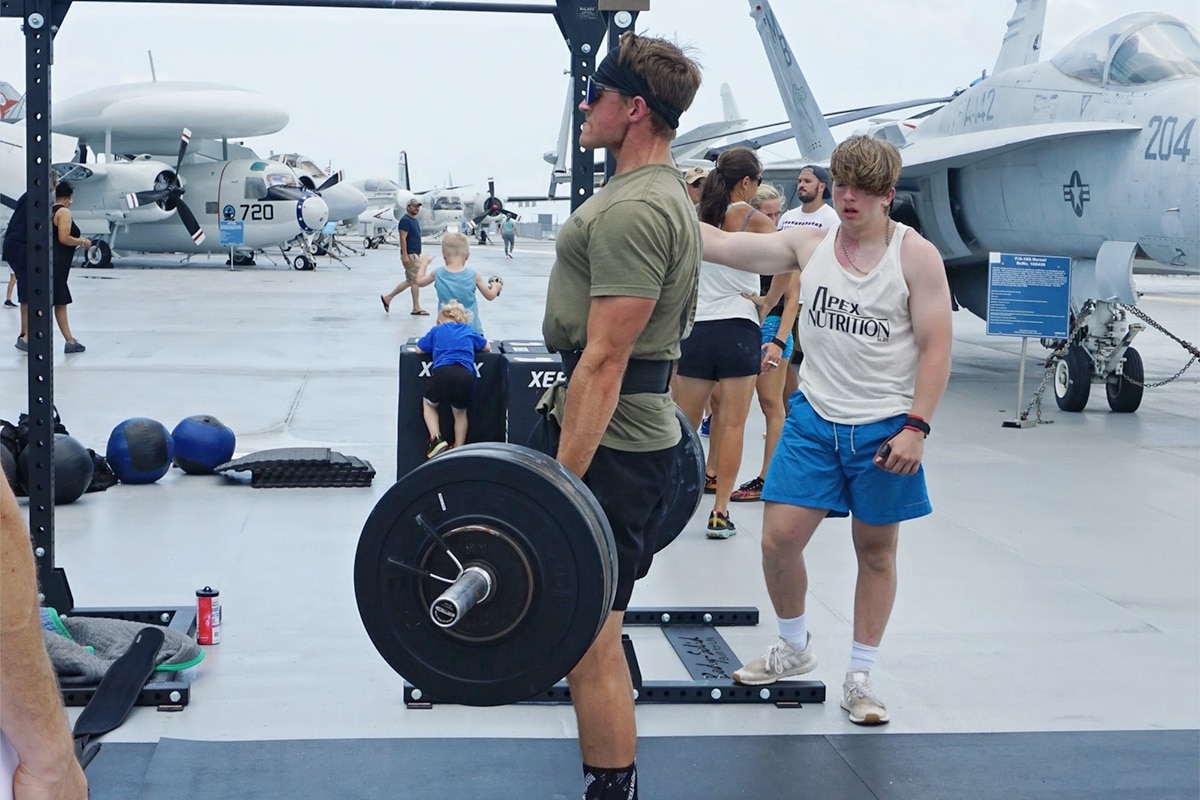
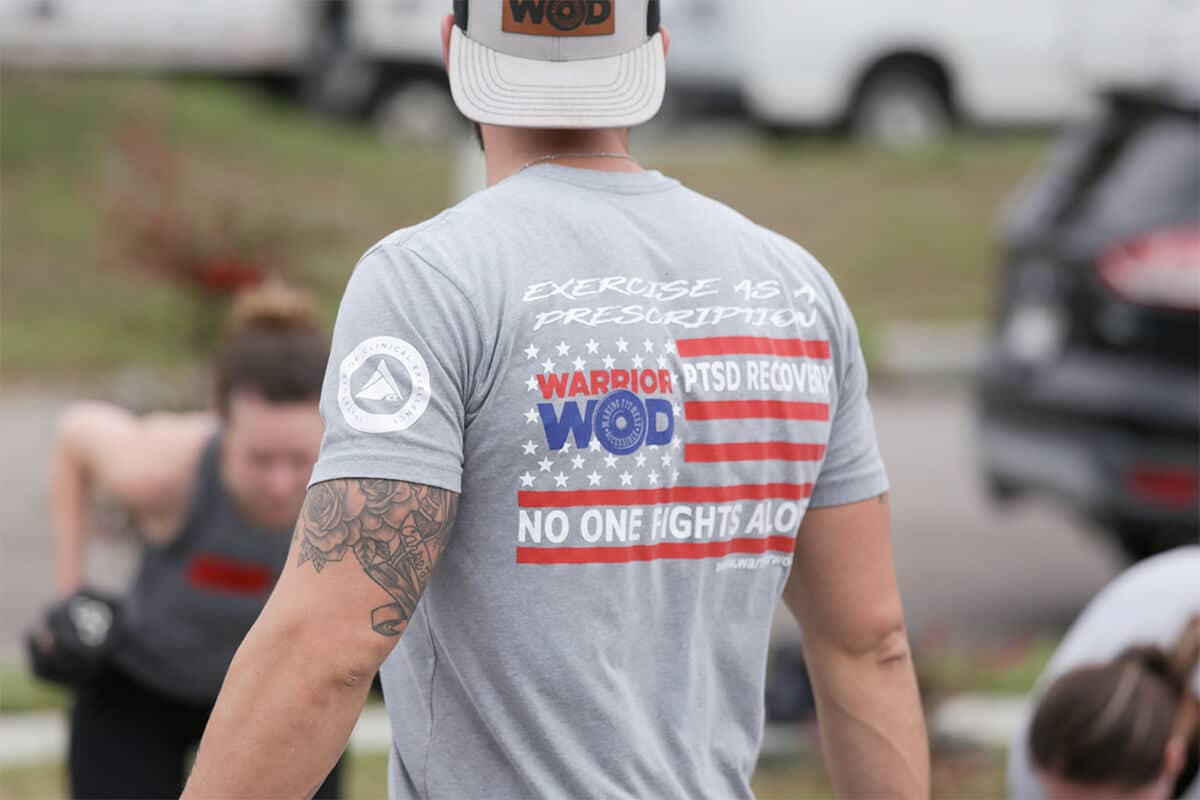
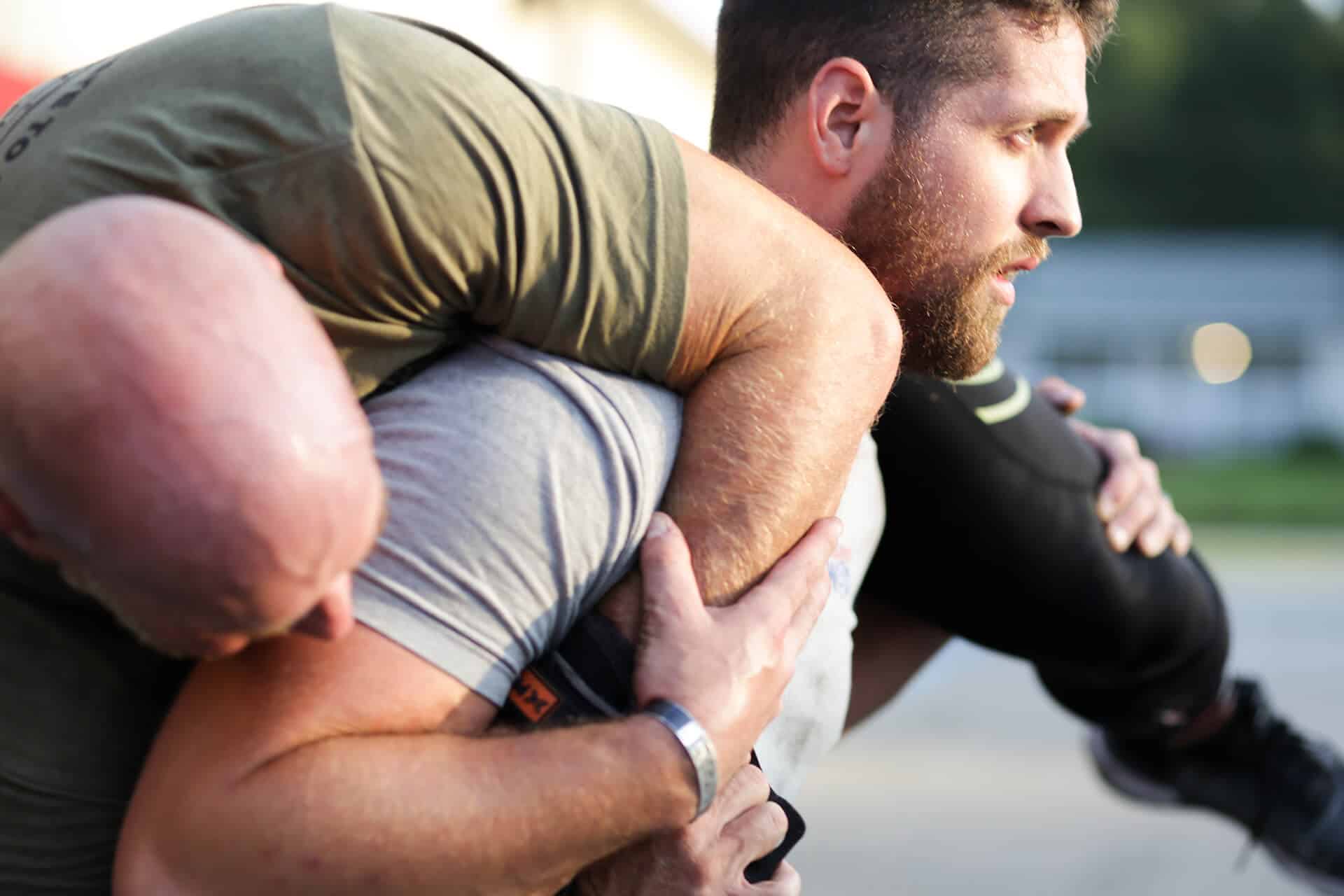
That is the gap a peer-led program is built to close. A veteran who will not book an appointment will often show up to a gym if another veteran is waiting there. Our Battle Buddies are veterans who completed the program. They text every week and call every two weeks.
What we measure, and what it shows
WarriorWOD measures PTSD outcomes using the PCL-5 (PTSD Checklist for DSM-5) and C-SSRS (Columbia-Suicide Severity Rating Scale), both validated instruments used by the VA and DoD, administered at intake and every month throughout the six-month program.
Among 265 program completers, 9 veterans who entered with active suicidal ideation completed the program and remain alive today.
An independent evaluation by the College of Charleston (Dr. Katie Trejo Tello, Ph.D., grant SCTR CES-P UM1TR005294) found a 14.42-point reduction in PCL-5 scores (pre 43.37, post 28.95; p < .001, Cohen's d = 1.33, n = 21 matched pairs). Post-program scores fell below the clinical PTSD threshold. The study was not subject to WarriorWOD review before release. Peer review is pending. Read the full veteran PTSD recovery program research.
Where that leaves us
The program runs in 38+ states through Preferred Partner Gyms. A veteran does not need to be enrolled anywhere to start. The program costs $1,500 per veteran. Veterans pay nothing; donors cover it.
If the 70.8% figure bothers you, it should. It bothers us. The answer we know works is measured, peer-led, and month by month. They served. You serve them back. Become a Warrior Supporter.
Sources: U.S. Department of Veterans Affairs, 2026 National Veteran Suicide Prevention Annual Report (released Sept. 30, 2026; data 2001–2024). College of Charleston independent program evaluation, SCTR CES-P UM1TR005294 (peer review pending). WarriorWOD internal outcomes, 265 completers.